The moment is coming. Someone hands you the microphone, the room falls quiet, and every eye in the room is on you. The thought of writing a wedding speech can be intimidating—a mix of immense love and paralyzing stage fright.
Your goal isn't to deliver a flawless Hollywood monologue. It’s to offer a few honest, heartfelt words that celebrate two people you care about. But how do you turn a jumble of memories and emotions into a toast that lands? You want to be funny without being cringe-worthy, sentimental without being overly sappy, and most importantly, you want to sound like you. This isn’t about finding the 'perfect' words; it's about finding your words.
Think of this guide as a conversation with a trusted friend. We’ll walk through a comprehensive collection of wedding speech examples, breaking down what makes each one work. We won't just show you the words themselves, but reveal the strategy and heart behind them.
From the best man’s roast to the father of the bride’s proud reflection, you'll find practical, actionable advice to help you craft a speech that feels both genuine and memorable. Whether you're a maid of honor, a parent, or the bride or groom, these examples provide a clear blueprint for success. Forget the clichés and the pressure. Your story is the only one that matters, and we are here to help you tell it beautifully. Let’s get started.
1. Best Man Humorous Toast
The humorous best man toast is a classic for a reason: it disarms the audience, celebrates friendship, and creates a joyful, memorable moment. Your success hinges on a delicate balance, blending light-hearted roasts of the groom with genuine, heartfelt affection for the couple. Your job is to get the guests laughing with the groom, not at him.
This style is a natural fit when your relationship with the groom is built on years of inside jokes and funny memories. The goal is to tell one or two short, amusing anecdotes that highlight the groom’s character before he met his amazing partner. Then, you’ll pivot to sincerely express how much the bride or groom has positively impacted his life, concluding with a warm toast to their future.
Strategic Breakdown
- The Opening Hook: Start with a strong, confident opening line that immediately signals a fun tone. This isn't the time for "For those of you who don't know me...".
- The "Roast and Toast" Balance: The core of your speech involves a gentle roast. Aim for funny, not mean. The ideal story is one where the groom is the lovable fool, not the villain.
- The Sentimental Pivot: After the laughs, you must shift to sincerity. This is the most crucial part. A line like, "But all jokes aside, seeing [Groom's Name] with [Partner's Name] has been incredible..." signals this transition effectively.
- The Final Toast: End on a high note. Your closing words should be a clear, concise, and heartfelt wish for the couple's happiness.
Actionable Tips
- Test Your Material: Run your jokes and stories by a mutual friend first. If a story requires too much explanation, it's likely an inside joke that won't land with the broader audience.
- Follow the 80/20 Rule: Aim for 80% humor and 20% heartfelt sentiment. The emotional payoff at the end feels more powerful when it follows genuine laughter.
- Mind Your Pacing: Deliver your punchlines with confidence and pause to let the laughter build. Rushing through a joke is the fastest way to kill it. If you need help sharpening your jokes, a tool like Wedding AI can offer fresh perspectives on your phrasing.
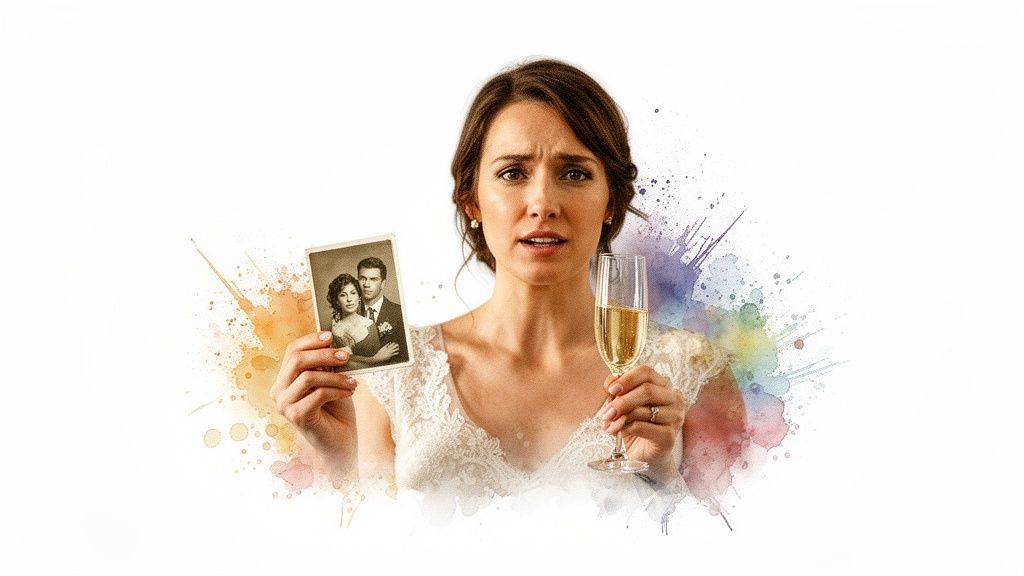
2. Maid of Honor Emotional & Personal Toast
The emotional Maid of Honor toast is a powerful, intimate tribute to the bride. It moves beyond generic well-wishes to create a deeply personal moment that honors your unique friendship and celebrates the bride's journey. Your approach should center on vulnerability, shared history, and authentic joy, making the guests feel like they’re witnessing a beautiful, heartfelt conversation.
This style is perfect when your bond with the bride is built on significant life moments and years of support. The goal isn't just to list her great qualities but to illustrate them through a specific, touching story. You’ll recount a memory that defines your friendship, describe the bride's admirable character, and explain why her new partner is the perfect person to continue that journey with her.
Strategic Breakdown
- The Opening Memory: Start with a specific, warm memory that instantly establishes the depth of your connection. A line like, "I’ll never forget the time we..." is far more engaging than a generic introduction.
- The Character Compliment: Use that memory to pivot into a compliment about the bride’s character. Connect the story to a core quality, like her loyalty, strength, or kindness.
- The "Welcome to the Story" Moment: This is where you bring her partner into the narrative. Describe the moment you knew they were right for your friend or how you've seen the bride grow within the relationship.
- The Heartfelt Wish: Conclude with a sincere, forward-looking toast. Your final words should be a direct, loving wish for the couple's shared future, wrapping up the emotion on a hopeful note.
Actionable Tips
- Choose One Defining Story: Instead of listing many memories, focus on one poignant anecdote that truly encapsulates your friendship and the bride’s essence. This gives your speech a strong narrative anchor.
- Embrace Emotion (But Practice It): It's okay to get teary-eyed, as it shows your sincerity. Practice reading the emotional parts aloud so you can deliver them clearly without becoming overwhelmed. Keep tissues handy.
- Balance Personal and Universal: While your stories are personal, the themes should be universal: friendship, love, and growth. This ensures the entire audience feels connected to your message. If you need inspiration, a tool like Wedding AI can help you find a beautiful poem or quote that resonates.
3. Father of the Bride Traditional & Proud Toast
The traditional father of the bride toast is a cornerstone of the wedding reception, blending heartfelt pride, warm humor, and a formal welcome. It’s a speech that balances nostalgia for the past with joy for the future. Your role is to celebrate your daughter’s journey, formally welcome her new partner into the family, and set an emotional, dignified tone for the evening.
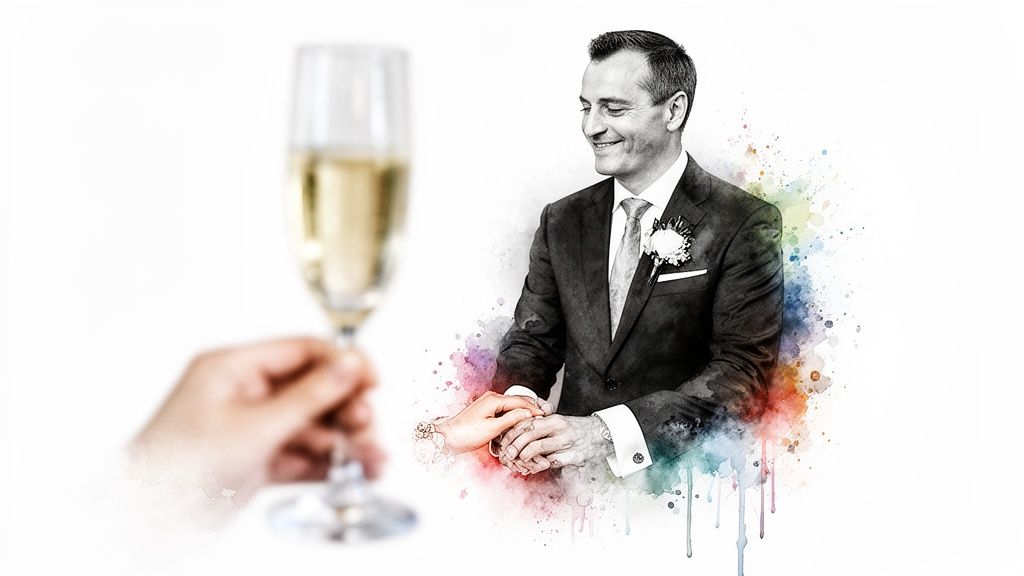
This classic approach is perfect for nearly any wedding, from formal black-tie affairs to more casual celebrations. It works because it’s built on a universal story: a parent watching their child grow up and find happiness. The key is to share one specific, defining memory of your daughter and then connect her best qualities to the wonderful partner she has chosen, concluding with a blessing for their life together.
Strategic Breakdown
- The Gracious Opening: Begin by welcoming the guests and expressing gratitude on behalf of both families. A gentle, self-deprecating joke about your own nerves can be a great icebreaker.
- The Core Anecdote: Share a single, poignant story from your daughter's childhood that reveals a core part of her character, like her kindness, determination, or humor. This makes your pride feel tangible, not just abstract.
- The Welcoming Bridge: This is where you formally and warmly welcome your new son- or daughter-in-law into the family. Mention a specific quality you admire in them and how you’ve seen them make your daughter happy.
- The Forward-Looking Toast: Conclude with a clear, heartfelt toast to the couple’s future health, happiness, and love. Keep this final line simple and powerful so everyone can easily join in.
Actionable Tips
- Focus on One Story: Don’t try to narrate your daughter’s entire life. One well-chosen anecdote that highlights her character will be far more impactful than a list of accomplishments.
- Practice the Emotional Peaks: Rehearse the parts of the speech where you’re likely to feel emotional. Practicing these moments will help you deliver them with composure and sincerity on the day.
- Keep It Concise: Aim for 4-5 minutes. A longer speech risks losing the audience's attention. If you find your speech is running long, a tool like Wedding AI can help you trim it down to its most powerful core.
4. Mother of the Bride Warm & Welcoming Toast
The mother of the bride’s toast is a beautiful blend of maternal pride and genuine welcome. This speech shines when it moves beyond personal reflection to graciously embrace the new spouse and their family. Your role is to be a warm, unifying presence, celebrating your daughter's journey while joyfully opening your family’s arms to her new partner.
This style is perfect for mothers who want to convey emotion with elegance and sincerity. The focus is on a nurturing narrative: a brief, sweet memory of your daughter's childhood, a heartfelt observation of the woman she has become, and a sincere welcome to her new spouse. It’s less about jokes and more about creating a moment of inclusive, heartfelt connection for everyone in the room.
Strategic Breakdown
- The Opening Welcome: Begin by welcoming all the guests, but specifically acknowledge your new in-laws by name. This immediately establishes an inclusive and gracious tone.
- The Proud Reflection: Share one short, poignant memory that highlights a core quality in your daughter that she carries with her today. Think of a story that shows her kindness, determination, or spirit.
- The "Moment I Knew" Observation: Describe the moment you truly saw your daughter and her partner as a perfect match. This is often tied to seeing how he looks at her, supports her, or makes her laugh. It’s a powerful, personal endorsement.
- The Forward-Looking Toast: Conclude not just by celebrating your daughter, but by toasting the couple and their shared future. This reinforces the theme of unity and shared happiness.
Actionable Tips
- Practice Emotional Lines: Rehearse the parts of your speech that feel most emotional. Practicing them out loud helps you maintain composure and deliver them with grace on the big day.
- Name-Check with Purpose: Mentioning the groom's or bride's parents by name is a small detail with a huge impact. It shows respect and a genuine desire to merge two families.
- Keep It Couple-Focused: While it's your moment to honor your daughter, the ultimate focus should remain on the couple. After sharing your personal story, pivot your words back to their partnership. You can use a tool like Wedding AI to ensure your speech strikes the perfect balance between personal pride and couple-centric celebration.
5. Groom's Own Vows & Personal Reflection Speech
This is one of the most intimate and powerful wedding speech examples, moving beyond a simple toast to become a deeply personal declaration. Your speech as the groom is your chance to articulate your love, your journey to this moment, and your heartfelt promises for the future. It's a vulnerable, sincere, and forward-looking monologue directed primarily at your new spouse, not the audience.
This style works best when you want to create a truly unforgettable emotional centerpiece for the reception. Instead of entertaining guests, your goal is to honor your partner by sharing how they have changed your life for the better. This speech focuses on specific memories, qualities you adore, and the concrete commitments you are making, creating a profound moment between you and your partner that guests are privileged to witness.

Strategic Breakdown
- The Opening Focus: Start by addressing your partner directly. A simple, "To my wife/husband..." or "[Partner's Name]..." immediately sets an intimate tone and directs everyone's attention to the connection between you two.
- The "How You Changed Me" Core: The heart of this speech is describing your partner's impact on you. Share a short story about a moment you knew they were the one, or a specific way they made you want to be a better person.
- The Specific Praise: Move from your own transformation to what you cherish in them. Mention one or two unique qualities that go beyond clichés like "beautiful" or "kind." What small, specific quirk makes you smile?
- The Promise and Closing: Conclude with a clear, meaningful promise for your future together. This isn't just a wish for happiness; it's a commitment you are making in front of your loved ones. End by raising your glass to your partner.
Actionable Tips
- Focus on Them: Dedicate at least 80% of your speech to your partner. Thank the guests briefly at the beginning or end, but keep the core message centered on the person you married.
- Avoid Clichés: Steer clear of phrases like "my other half" or "you complete me." Instead, aim for authentic descriptions of your bond. If you need help finding unique ways to express your feelings, Wedding AI can help you uncover specific, personal details.
- Embrace Emotion: Don't be afraid to be vulnerable. This is the one speech where showing emotion is not only acceptable but powerful. Practice it beforehand, and don't be surprised if you get choked up.
- Make Eye Contact: While you might need notes, make a conscious effort to look at your partner for the majority of the speech. This is a conversation between the two of you that everyone else is just listening to.
6. Bride's Own Speech – Gratitude & Vision Toast
A modern and empowering choice, your speech as the bride allows you to take center stage and share your perspective. This toast is a beautiful blend of heartfelt gratitude for guests and family, a personal tribute to your new spouse, and a forward-looking vision for your life together. It breaks from the tradition of only men speaking, offering a powerful, personal, and contemporary touch to the reception.
This style is perfect for you if you want to personally thank your loved ones and express your own joy and hopes directly. It’s an opportunity to share a brief, meaningful story about your partner, acknowledge the journey that brought you both to this day, and set a warm, celebratory tone. The goal is to be gracious, authentic, and inspiring, connecting with everyone in the room on a personal level.
Strategic Breakdown
- The Opening Gratitude: Begin by sincerely thanking everyone for being there. A line like, "Looking out at all of your faces fills my heart completely," immediately establishes a warm and inclusive atmosphere.
- The Personal Acknowledgment: The core of your speech involves specific, heartfelt thank-yous. Mention parents, in-laws, and key members of the wedding party, but also share a short, sweet anecdote about your new spouse that highlights why you love them.
- The Visionary Pivot: Transition from gratitude to aspiration. This is where you share your hopes for your marriage. Phrases like, "As we build our life together, my greatest hope is that we..." effectively signals this shift from the present to the future.
- The Final Toast: End with a clear and uplifting toast. It could be to your partner, to your families, to love, or to the future you will build together.
Actionable Tips
- Focus on 'We' and 'Us': While it’s your speech, frame your vision for the future using partnership language. Talk about your shared dreams and what you will build together as a team.
- Keep It Concise and Poised: Aim for a 3-5 minute speech. This is long enough to be meaningful but short enough to hold everyone's attention and respect the time of other speakers.
- Avoid Overdone Phrases: Your love story is unique, so your words should be too. If you’re struggling to find fresh ways to express your feelings, Wedding AI can help you refine your language to be more authentic and impactful.
7. Sibling (Brother/Sister) Heartfelt & Humorous Toast
The sibling speech holds a unique power. You've known the bride or groom longer than almost anyone, giving you a special license to blend childhood teasing with profound, genuine love. This speech masterfully combines funny, often embarrassing, stories from growing up with a heartfelt acknowledgment of the adult they've become and the wonderful partner they’ve found.
Your relationship is a built-in narrative arc. You can talk about fighting over the remote control as kids and then pivot to watching them find their soulmate. The key is to use your shared history to tell a story of growth, concluding with a sincere welcome to your new brother-in-law or sister-in-law and expressing pride in the person your sibling is today.
Strategic Breakdown
- The Childhood Anchor: Start with a specific, relatable memory from your childhood. This immediately establishes your unique connection and sets a warm, familiar tone for the audience.
- The Sibling Roast: This is where you can gently tease. The humor should come from a place of love, highlighting a funny quirk or a harmlessly embarrassing moment that reveals their personality. Think “lovable dork,” not “character flaw.”
- The Pivotal Transition: The shift to sincerity is crucial. A line like, "But watching you with [Partner's Name], I’ve seen a whole new side of you..." works perfectly. This marks the transition from past to present, from sibling shenanigans to adult partnership.
- The Welcoming Conclusion: End by officially welcoming your new family member. Express your personal happiness for the couple and toast to their shared future, cementing the union of the two families.
Actionable Tips
- Find Universal Humor: Tell a story that everyone can appreciate, even if they don't know the backstory. The humor should be in the situation, not a private inside joke that alienates the room.
- Focus on Positive Growth: Frame your "roast" as a "before" picture. The "after" is how their new spouse has complemented them or helped them grow. This makes the compliment to the partner feel more meaningful.
- Keep it Balanced: A good rule of thumb is 60% humor and 40% heart. The memories provide the laughs, but the emotional core is your pride and affection. If you're struggling to strike this balance, a tool like Wedding AI can help refine your tone.
8. Close Friend (Non-Best Man/Maid of Honor) Warm & Celebratory Toast
Not being in the official wedding party doesn't mean your voice is any less important. As a close friend, your toast is a beautiful opportunity to offer a genuine, warm tribute to the couple without the pressure or length expected of a Best Man or Maid of Honor. It’s a moment of pure, heartfelt celebration from a unique perspective.
This style is perfect for an open mic segment or a more informal reception. It’s about sharing a specific, positive memory that illuminates your friendship with one or both partners. The goal isn't to be the star of the show but to add another layer of love to the day. You can achieve this by focusing on a single, meaningful story and expressing sincere joy for their union.
Strategic Breakdown
- The Context-Setting Intro: Start by briefly and clearly explaining your connection. "Hi everyone, for those I haven't met, my name is [Your Name], and I was [Groom's/Bride's] college roommate." This immediately gives the audience context for your story.
- The Singular, Vivid Memory: Don't try to cover your entire friendship. Choose one short, sweet, and positive story that showcases a key quality of your friend and, ideally, shows why they are so perfect for their new spouse.
- The Couple-Centric Compliment: Connect your story to the couple. A great transition is, "So it was no surprise to me when [Friend's Name] met [Partner's Name], because [Partner's Name] brings out that same [positive quality] in them, only more so."
- The Concise & Sincere Toast: Keep your closing simple and powerful. Your final words should be an unambiguous wish for the couple's lifelong happiness, making it easy for guests to raise their glasses.
Actionable Tips
- Aim for the 2-Minute Mark: Shorter is better here. Your goal is to make a sweet impact, not deliver a keynote. Brevity shows respect for the other speakers and the event's timeline.
- Focus on “Why Them”: Your speech should subtly answer the question: "Why do these two people work so well together?" Use your personal observation to highlight a specific strength in their partnership.
- Practice, Don’t Memorize: Rehearse your speech enough to feel confident, but don't try to memorize it word-for-word. Authenticity and genuine emotion will always resonate more than a perfectly recited script. If you need help structuring your thoughts, Wedding AI can generate a simple template specifically for a close friend's toast.
9. Parent (Remarried/Blended Family) Tactful & Inclusive Toast
Navigating a wedding speech as a parent in a blended family requires a special kind of grace. Your toast should be designed to celebrate your child and their new spouse while tactfully and warmly acknowledging the beautiful complexity of your modern family. The goal is to create a moment of unity, making every parent, step-parent, and key family figure feel seen, respected, and included in the celebration.
This style works best when you focus on the universal theme of love and support for the newlyweds. It’s less about detailing the family tree and more about showing a united front. By thoughtfully mentioning all parental figures and welcoming the new in-laws, you set a powerful tone of inclusivity that honors the past while joyfully embracing the future.
Strategic Breakdown
- The Opening of Unity: Begin with a warm welcome that establishes a collective, celebratory atmosphere. Acknowledge your role, then immediately broaden the scope to include the other parents who have shaped the couple.
- The Inclusive Acknowledgment: The core of this speech is its diplomacy. The key is to gracefully name and thank other parental figures (ex-spouses, step-parents) early on. This isn't about giving equal time; it’s about giving genuine, respectful recognition.
- The Personal Story Pivot: Shift from the family dynamic to a heartfelt story about your child. This story should focus on their character, growth, or a moment that showed you they were ready for this new chapter. It brings the focus back to the individual you're celebrating.
- The Final Unified Toast: Conclude with a toast that speaks from a collective "we," representing all the parents. This final gesture reinforces the theme of unity and shared happiness for the couple.
Actionable Tips
- Communicate Beforehand: Touch base with other parental figures before the wedding to share the general theme of your speech. This simple act of courtesy prevents surprises and fosters goodwill.
- Focus on the "Why," Not the "Who": Center your anecdotes on your child’s admirable qualities (kindness, humor, resilience) rather than on specific timelines or family structures that might be sensitive.
- Practice Your Phrasing: Words matter immensely here. Instead of "my ex-wife," try "[Name], who I had the joy of raising [Child's Name] with." If you’re struggling to find the right words, Wedding AI can help you phrase these acknowledgments with sensitivity and warmth.
10. Ceremony Officiant (Clergy/Officiant) Formal & Spiritual Toast
As the person who officially united the couple, your speech or toast at the reception carries a unique weight. This formal and often spiritual address serves as a public blessing, bridging the solemnity of the ceremony with the celebration of the reception. It combines wisdom, personal observation, and a heartfelt endorsement of the couple's union.
This style is perfect for you if you are clergy, a civil celebrant, or a close friend who performed the ceremony. Your role is to offer a slightly more elevated perspective, grounding the day's joy in the significance of the commitment just made. The goal is to provide a moment of thoughtful reflection and to bestow a final, official blessing upon the newlyweds in front of their community.
Strategic Breakdown
- The Ceremonial Opening: Begin by referencing your unique role. A simple line like, "It was my profound honor to stand with [Couple's Names] today as they made their vows..." immediately sets a warm, authoritative tone.
- The Personal Connection: Share a brief, specific observation from the ceremony or your time getting to know the couple. This humanizes your formal role and makes the speech more intimate.
- The Core Message (Wisdom/Blessing): This is the heart of your toast. Offer a piece of wisdom, a relevant quote, or a short spiritual passage that reflects the couple's values and your wishes for their marriage.
- The Concluding Toast: End with a clear, powerful blessing. You are guiding the room in this moment, so a direct call to action like, "Now, please raise your glasses with me..." is essential.
Actionable Tips
- Reference Their Vows: Quoting a line from the vows they wrote or exchanged is incredibly powerful. It shows you were listening intently and reinforces the promises they just made.
- Balance Formality and Warmth: While your role is formal, your delivery should be warm. Smile, make eye contact with the couple, and let your genuine happiness for them shine through your carefully chosen words.
- Keep It Concise: An officiant's toast should be impactful but brief, ideally around three to four minutes. You've already had your main moment; this is a graceful postscript. If you need help structuring your formal thoughts into more conversational language, Wedding AI can be a great starting point.
10-Point Wedding Speech Comparison
| Role / Title | Tone & Focus | Implementation Complexity | Resource Requirements | Expected Outcomes | Ideal Use Cases |
|---|---|---|---|---|---|
| Best Man Humorous Toast | Light-hearted roast that pivots to heartfelt sentiment | Moderate — needs precise timing and balance | Story vetting, joke testing, pacing practice (hours) | High audience engagement, laughter, memorable payoff | Best men comfortable with public speaking at casual/modern weddings |
| Maid of Honor Emotional & Personal Toast | Intimate storytelling emphasizing friendship and growth | Moderate — emotional control and structure required | Rehearsal, selection of concrete memories, practice emotional delivery | Strong emotional resonance, broad cross‑generational appeal | Close friends who can speak vulnerably at formal or informal ceremonies |
| Father of the Bride Traditional & Proud Toast | Formal, proud, welcoming speech focused on daughter and family | Moderate — structured narrative and concise timing | Preparation of anecdotes, family coordination, 4–5 min planning | Dignified tone‑setting, public affirmation of daughter and new family ties | Fathers aiming for tradition and cross‑generational respect |
| Mother of the Bride Warm & Welcoming Toast | Nurturing, inclusive, conversational welcome to groom/families | Low–Moderate — maintain focus and avoid over‑sentiment | Rehearsal, naming family members, one warm anecdote | Warm inclusivity and relatable sincerity | Mothers who want to publicly welcome and celebrate families |
| Groom's Own Vows & Personal Reflection Speech | Direct, vulnerable vows addressed primarily to the bride | High — emotional pressure and brevity needed | Deep reflection, written vows, rehearsals, notes/tissues | Deeply meaningful to couple; high emotional impact | Grooms seeking authentic, intimate declarations during vows |
| Bride's Own Speech – Gratitude & Vision Toast | Gracious, forward‑looking gratitude and partnership vision | Moderate — balance thank‑yous and forward message | List of thank‑yous, practice, 3–5 minute outline | Empowering, clarifies bride's narrative and honors supporters | Brides who want to publicly define their role and thank guests |
| Sibling Heartfelt & Humorous Toast | Blend of childhood memories, playful teasing, and affection | Moderate — navigate family sensibilities carefully | Story selection, limit inside jokes, family vetting | Relatable humor with genuine warmth; family perspective | Siblings comfortable mixing roast and sincerity at family weddings |
| Close Friend Warm & Celebratory Toast | Short, genuine tribute focused on one clear memory | Low — simple structure and brief delivery | One vivid anecdote, 2–3 minute rehearsal | Sincere recognition; touching without heavy pressure | Close friends not in wedding party who want to honor the couple |
| Parent (Remarried/Blended Family) Tactful & Inclusive Toast | Diplomatic, explicitly inclusive acknowledgment of all family branches | High — requires careful wording and prior coordination | Communication with all parental figures, inclusive phrasing, rehearsal | Promotes family harmony and inclusivity; minimizes tension | Parents in blended or complex family situations prioritizing unity |
| Ceremony Officiant (Clergy/Officiant) Formal & Spiritual Toast | Formal blessing with spiritual or philosophical framing | Moderate — balance authority, warmth, and brevity | Reference to ceremony/vows, scripture/quotes prep, practiced delivery | Official blessing, reflective depth, expected formality | Clergy or officiants delivering the reception blessing at religious/formal weddings |
From Blank Page to Standing Ovation: Your Final Takeaways
As you've explored this library of wedding speech examples, from the best man’s witty roast to the mother of the bride’s tender reflections, one truth shines brightest: there is no single, perfect script. The most memorable toasts aren't found in a template but are built from the raw materials of your unique relationship with the couple. Your goal is not to replicate someone else's words but to find the right framework to share your own.
The power of a truly great wedding speech lies in its authenticity. It’s about isolating a single, vivid memory that illustrates a core truth about the person you’re honoring. It’s about balancing that personal story with a warm welcome to their new partner and a genuine, heartfelt wish for their shared future. This structure—the "Story-Connection-Toast" framework—is your most reliable guide.
The Core Principles of an Unforgettable Speech
Let’s distill the strategic insights from all the examples into a final checklist. Whether you're a maid of honor wrestling with how to be both funny and sentimental, or a groom trying to thank everyone without it sounding like a list, these principles are universal.
- Specificity is Your Superpower: Vague compliments like "she's so kind" fall flat. Instead, show, don’t just tell. Recall the specific time they demonstrated that kindness, or the exact moment that proved what a great friend they are. The anecdote about the flat tire in the rain is infinitely more powerful than a generic platitude.
- Emotion Needs a Narrative: Tears and laughter don't come from commands; they come from stories. Guide your audience through a brief narrative with a clear beginning, a small moment of tension or humor, and a resolution that connects directly to the wedding day. This journey is what creates an emotional impact.
- Pacing Creates Polish: The difference between a rambling story and a compelling speech is often just editing and practice. Rehearse your speech out loud, timing it to stay within that ideal 3-5 minute window. Notice where you naturally pause. Mark these moments in your notes to let key lines land and give the audience a moment to react.
Your Actionable Path Forward
You have the theory and you've seen the wedding speech examples. Now it is time to put it all into practice. Don't wait for inspiration to strike; create a system for success.
- The Memory Mine: Set aside 20 minutes with a blank document or notebook. Don't try to write the speech. Instead, simply list every single memory, inside joke, or defining moment you can think of related to the person you're toasting.
- Find Your Theme: Look at your list. Is there a recurring theme? Loyalty? Adventure? A shared love for a terrible movie? This theme will become the central thread that holds your entire speech together, making it feel cohesive and purposeful.
- Draft, Don't Perfect: Write your first version without judgment. It will be too long and probably a little messy. That’s perfect. The goal is simply to get the raw ideas from your head onto the page. You can refine, cut, and polish later.
Ultimately, your speech is a gift. It is a few minutes carved out of the celebration to publicly honor a profound human connection. The couple isn't expecting a flawless performance from a professional orator. They are hoping to hear from you—your voice, your memories, your sincere love for them.
Embrace the nerves as energy. Trust in the power of your story. Speak from the heart, raise your glass with confidence, and your words will be the perfect tribute to their love story.
Still feeling the pressure of that blinking cursor? If you need a creative partner to help you brainstorm memories and structure your narrative, consider using Wedding AI. It’s designed to transform your scattered ideas into a polished, personal, and unforgettable speech that sounds just like you.